What are the benefits of Off-Site Construction?
It seeks to minimise the negative environmental impact of buildings through improved efficiency and moderation in the use of materials, energy, and the ecosystem as a whole. Off-Site technologies use a conscious approach to energy and ecological conservation in every step of the process. Faster building time, less waste, and higher security level for workers. There are a variety of possibilities that we can help Clients with: CLT, LWF (Light Wood Frame) and LSF (Light Steel Frame).

What is Cross Laminated Timber (CLT)?
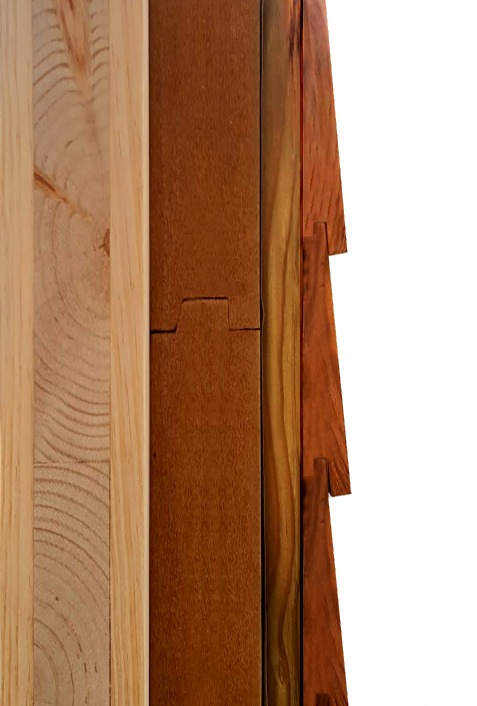
CLTs are wooden panels made of alternating wood layers, pressed together with adhesive. This arrangement ensures a strong and stable structure, handling load transfer on all sides. The alternating grains improve CLT panels’ dimensional stability. This strength affords designers a host of new uses for wood, including wide prefabricated floor slabs, single-level walls, and taller floor plate heights.
Like other mass timber products, CLTs can be used in hybrid applications with materials such as concrete and steel, to improve structural integrity and potential for projects.
“CLT fabrication begins with lumber selection, defect removal and cutting, followed by adhesive application, panel lay-up, and assembly pressing. Panels are cut to size, along with the completion of any other prefabrication requirements. Final quality control is carried out prior to delivery to the building site. CLT panels can be manufactured as custom dimensions, though transportation restrictions tend to dictate their size. CLT is manufactured in a controlled factory setting and must meet specific quality and performance requirements.
Naturally Wood
The vast majority of CLT panels are made for a specific application with prescribed size, shape, appearance, and machined sections (e.g. recesses, holes, slots). Precise fabrication often relies on building information modelling (BIM) and other prefabrication technologies. Similar to other mass timber products, CLT panels can be topped with concrete to form timber concrete composite, a hybrid system used to reduce cross-sections, increase spans and lessen noise transfer and vibrations.”
Some benefits of CLT’s
- Improved air quality
- More stable indoor temperature
- Decrease noise levels and increase acoustic comfort
- Healthier and cleaner environment
- High and long-lasting durability
What is Light Wood Framing?
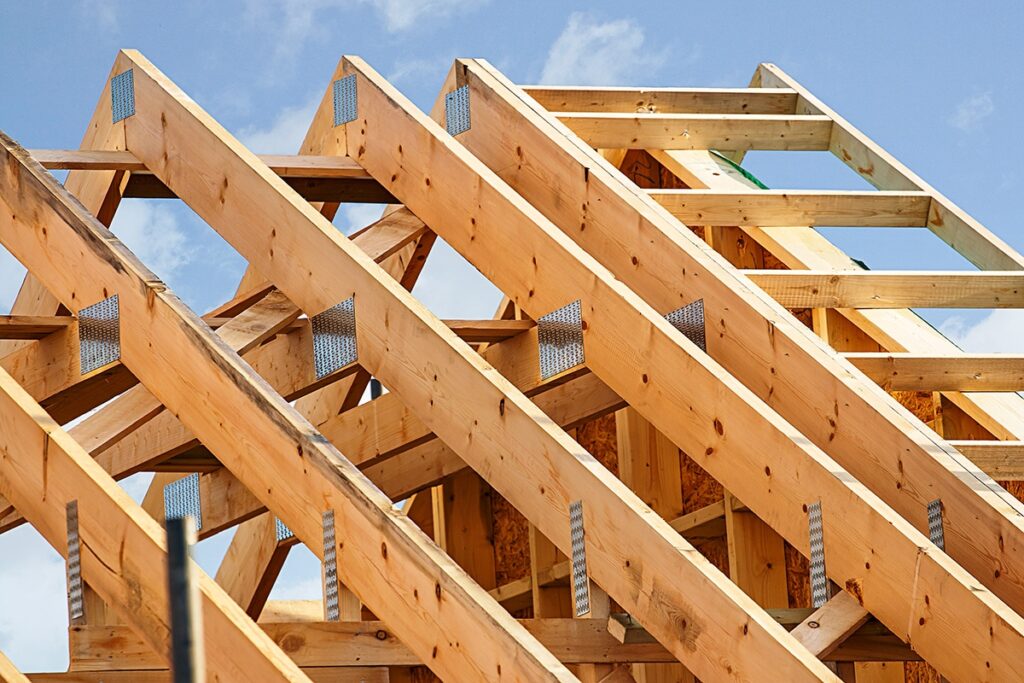
Light wood framing consists of a system of construction using many small and closely spaced wooden panels that can be assembled by nailing. It is a simple and effective way to create the framing for the projects, that will be secure and last a long time.
What is Light Steel Frame (LSF)?
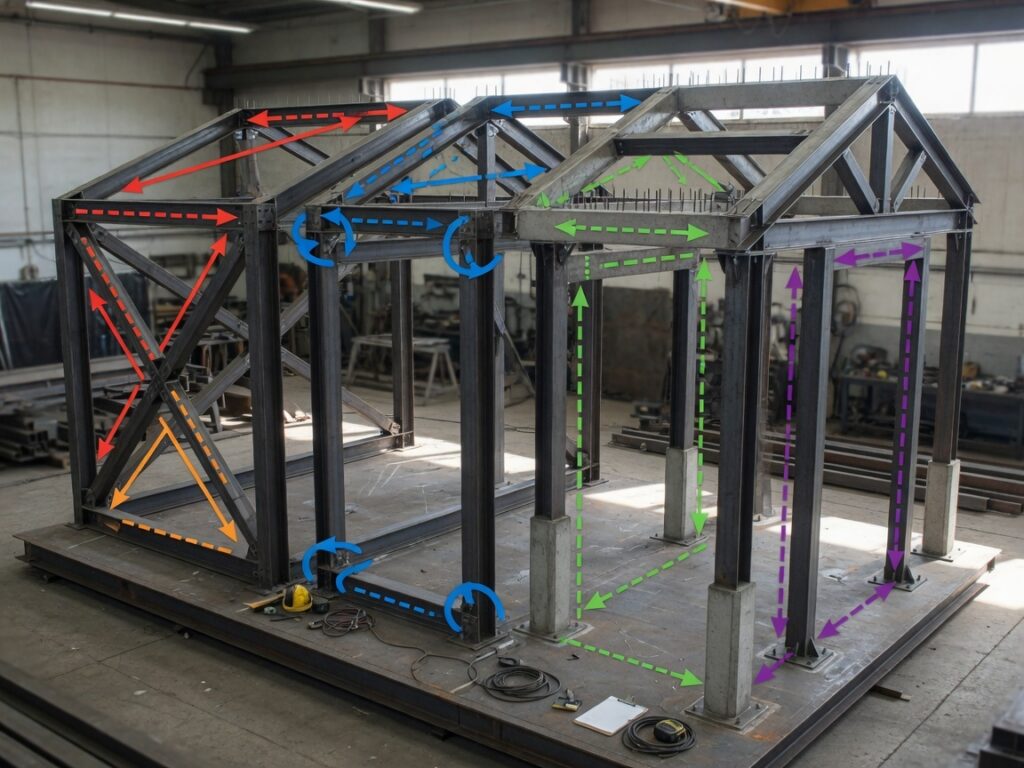
Light Steel Frame (LSF) construction is a modern, highly efficient building method that utilizes cold-formed steel as the primary structural framing material. Known for its exceptional strength-to-weight ratio, LSF provides superior durability, seismic resilience, and resistance to pests and fire compared to traditional timber framing. Prefabricated off-site with high precision, these lightweight steel components significantly accelerate construction timelines and reduce on-site waste. Additionally, LSF structures are highly customizable and energy-efficient, making them an increasingly popular, sustainable choice for residential, commercial, and multi-story developments worldwide. Examples:
| Frame type | Lateral system | Typical span | Relative cost index | Best use case |
|---|---|---|---|---|
| Braced frame | Diagonal bracing | 6–20 m | 1.00 (baseline) | Industrial, logistics |
| Portal frame | Moment eaves | 20–60 m | 0.90 | Warehouses, sheds |
| Moment-resisting | Frame action | 6–12 m | 1.15–1.18 | Urban commercial |
| Composite | Braced or moment | 9–18 m | 1.05–1.10 | Multi-storey office |
| Light gauge steel | Diaphragm/sheathing | 3–9 m | 0.75–0.85 | Low-rise residential |
Source: https://www.ruchenggroup.com/steel-skeleton-frame-explained-types-uses-and-installation-guide
Cork: A Sustainable Building Material
What is Cork?

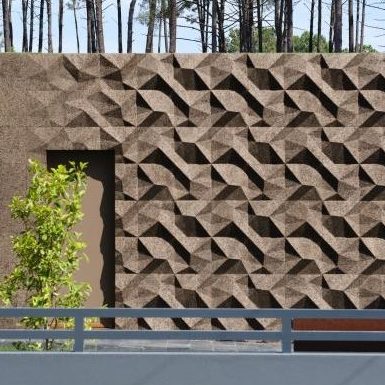
Cork is a natural material harvested from the bark of cork oak trees. The bark is carefully stripped from the trees every 9-12 years, allowing the trees to continue growing and producing more cork. This renewable harvesting process makes cork an eco-friendly choice for sustainable architecture.
How is Cork Made?
After harvesting, the cork bark is left to cure for several months. It is then boiled to remove impurities and increase its elasticity. The cork is processed into various forms, including sheets, panels, and granules, which can be used in a wide range of building applications.
Benefits of Cork as a Building Material
Lightweight and Durable: Easy to handle and install, cork maintains its integrity under various conditions, ensuring long-lasting performance.
Elastic and Compressible: Its natural flexibility allows cork to absorb impacts and recover its shape, making it suitable for exterior surfaces.
Waterproof and Fire Retardant: Cork’s resistance to water prevents moisture buildup, while its fire retardant properties enhance building safety.
Excellent Insulator: Cork provides superior thermal insulation, contributing to energy efficiency and maintaining comfortable indoor temperatures.
Anything to do with cork will be developed by our business parter in Portugal, SOFALCA.

Application of Materials